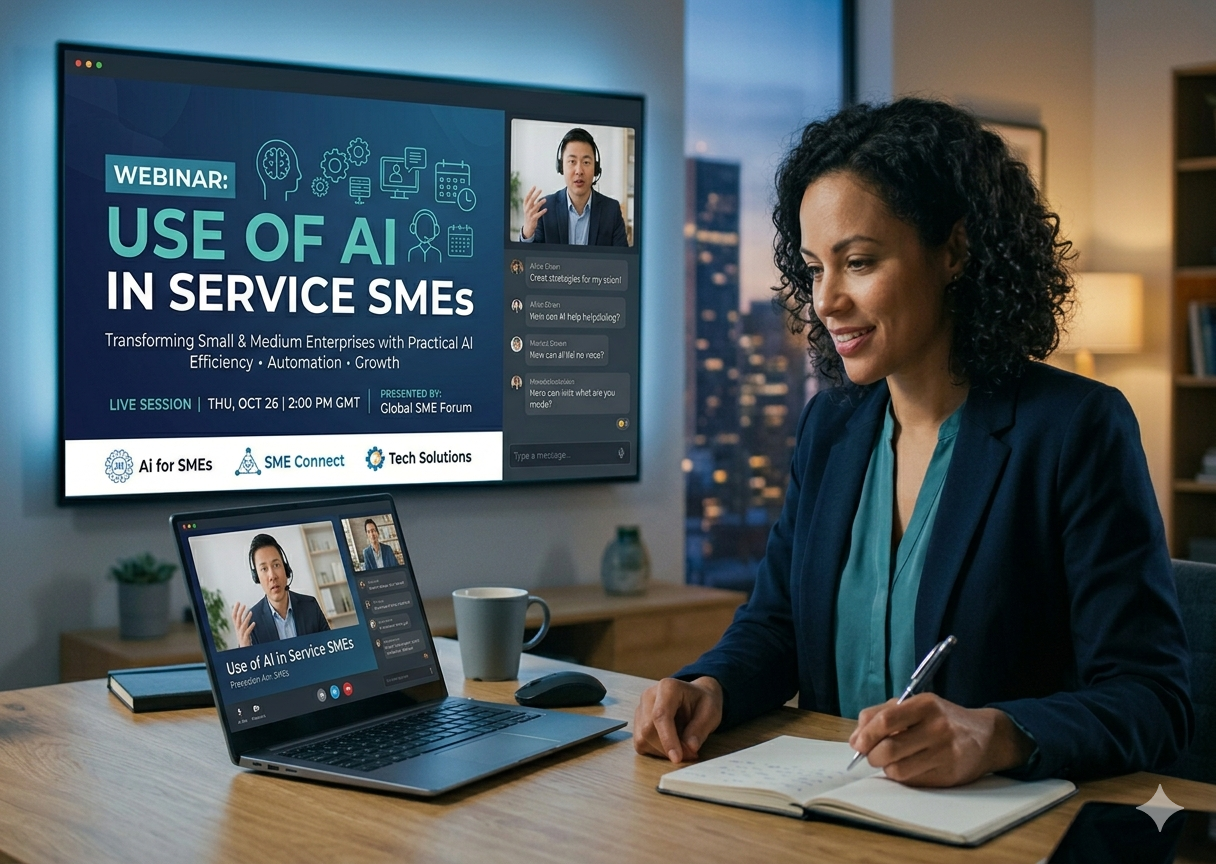
In service businesses, much of the value depends on people,
knowledge, communication, and consistency. AI can support these areas by
automating repetitive tasks, organizing customer information, preparing
reports, analyzing feedback, and helping teams respond faster to client
needs. For example, an SME can use AI to draft proposals, summarize
meetings, support HR processes, improve training, analyze risks, and
create simple dashboards for performance monitoring.
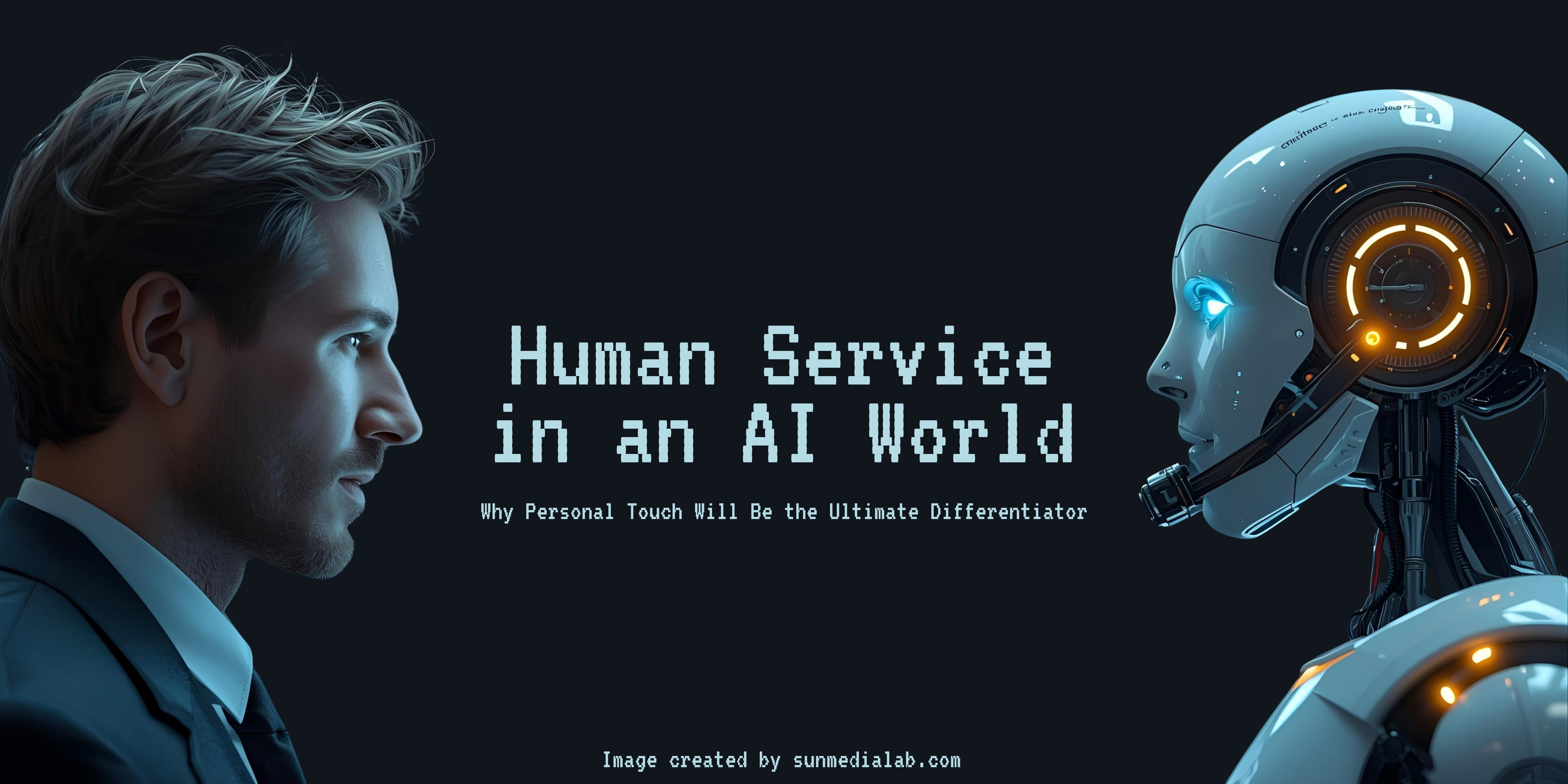
However, AI should not replace human judgment. In service SMEs, trust, experience, and relationships remain critical. The real opportunity is to combine human expertise with AI-supported processes. This
allows teams to reduce administrative workload and focus more on
advisory work, customer relationships, quality improvement, and growth.
The
most effective approach is to start small. SMEs should identify two or
three practical use cases, such as customer follow-up, internal
reporting, training support, or sales preparation. From there, they can
build simple workflows, measure impact, and gradually integrate AI into
daily operations.
For service SMEs, AI is not only a technology
trend. It is a strategic productivity tool. Used correctly, it can help
smaller companies work smarter, serve clients better, and compete more
effectively in a changing business environment.
Comments (0)

Categories
Recent posts


Financial Forecasting for Businesses
18 Dec 2024
The Essential Role of Innovation in ...
18 Dec 2024
The Foundation of Business Success: ...
18 Dec 2024